The story, as it happened
Lately, in one of the discussions our team had with a financial institution, a topic came up that deserved real attention: how they onboard third parties onto their API platform.
The institution didn't want automated onboarding — or even self-onboarding. The first thing anyone trying to integrate runs into is a semi-closed developer portal. And if you want to go further, you enter a long cycle: due diligence, identity verification for the third party, confirming who is actually doing the integration — and before you even reach your first API call, you're signing legal paperwork, an NDA or a memorandum of understanding.
The bureaucracy that doesn't need to exist
Let's not dismiss this bureaucracy outright — let's look at what it's actually protecting.
As an institution, you're not handing out access to private customer data through a developer portal. Everything exposed there should already be public by design: product information, endpoints, documentation, response formats. None of that is a secret — it's part of how the market gets to know you.
Today, an API isn't just a technical tool. It's a product — API-as-a-Product. And a product needs to be visible, and testable, before anyone commits to it. When you close the door at the very first step, you're cutting yourself off from opportunity before it even begins.
The real concerns (we won't deny them)
To be fair, the security team at that institution had real concerns — not baseless fear.
Every link or endpoint that becomes public adds responsibility for the security team. It becomes a maintenance burden, and a point that needs constant monitoring — threat detection. And anything exposed publicly needs clear controls, not something simply left open. That isn't a flaw in their thinking; it's exactly how an institution should think.
Note: The problem isn't that the concern exists. The problem is the solution built on top of it.
The difference between public and private
The common response is to close everything and turn the entire onboarding process into a fully manual one. But that solves the security problem at the cost of a bigger one: lost opportunity.
The more precise solution is a clear separation between two layers:
- A sandbox layer, serving static or test data, fully isolated from any internal systems, middleware, or satellite systems.
- A production layer, holding real, sensitive data — and this is the layer that actually needs the full due diligence and legal process.
This way, any third party can try the product, see what the integration looks like, and decide whether they're even interested — without ever touching real data. Due diligence kicks in once the decision gets serious, once the third party actually wants to move into production.
The solution: an isolated sandbox, not a locked door
This isn't a call to remove security. It's a call to apply it in the right place.
On the developer portal and the sandbox itself, you still need every necessary protection: rate limiting, continuous monitoring, access control, and protection against misuse. But these are controls that make access safe — not controls that eliminate access altogether.
The difference is simple but fundamental: you're not closing the door. You're putting a guard on it who knows exactly who's allowed in.
The cost of delay no one talks about
The numbers here are clear. Industry reports show that manual onboarding through email or support tickets can take anywhere from days to weeks — compared to just minutes through a well-built self-serve portal.
That lost time isn't just time. It's partnership opportunities disappearing quietly:
- Support teams spend hours answering questions documentation should already cover.
- Revenue teams wait on integrations that never make it to production.
At the same time, an industry-wide survey found that around 80% of organizations faced API-related security issues in the past year — and only about 10% have a clear strategy for managing their API security posture (source: Lunar.dev survey, via CybelAngel).
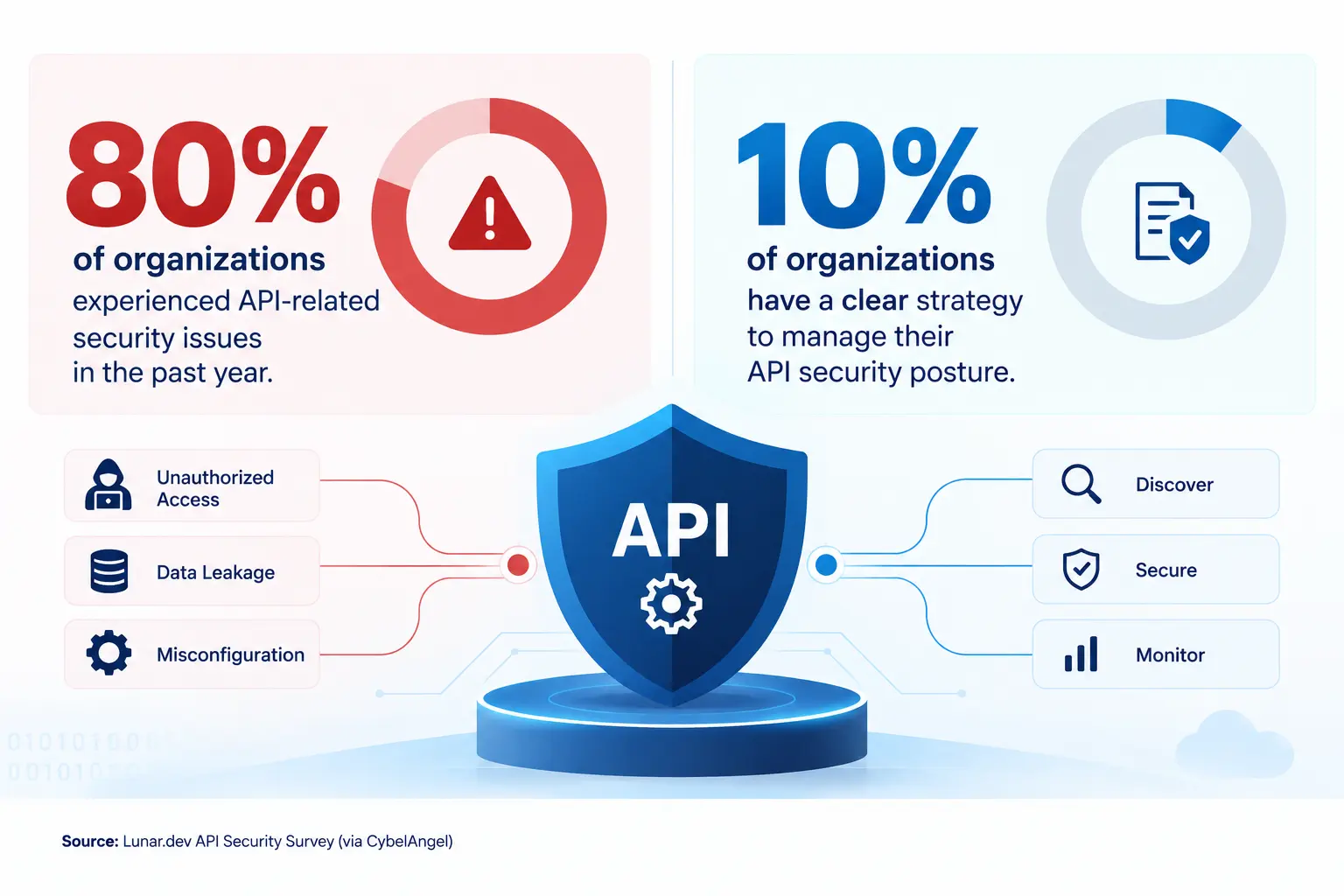
In other words, organizations that lock the door in the name of security aren't necessarily more secure than the ones that open it thoughtfully. The real difference isn't in closing access — it's in the quality of the controls behind it.
The near future: when the consumer is an agent
There's one more point worth putting on the table.
The trend today is that organizations are building developer portals not just for people, but for AI agents too. That means the consumer of your API doesn't have to be a human anymore — it can be an agent.
And an agent doesn't wait for due diligence, doesn't wait for an email, doesn't wait for any of that. An agent typically scans all of your competitors at the same time, looks for whoever is capable and willing to hand out access keys quickly, tries the product, makes a decision, and reports the result back to whoever launched it.
If you're still relying on manual onboarding, you're not just losing a single opportunity. You're showing that you're not even ready, mentally, for what's coming with AI.
The bottom line
Delay in onboarding isn't a neutral decision. It's a decision that costs the institution partnerships, time, and opportunities — even when no one feels it directly.
Real security isn't about closing every door. Real security is about knowing where to put the door, who deserves to walk through it, and under what conditions.
Sources
- API Security Risks: The 10 Most Exploited in 2026, CybelAngel (citing a Lunar.dev survey)