Let's start with a different question.
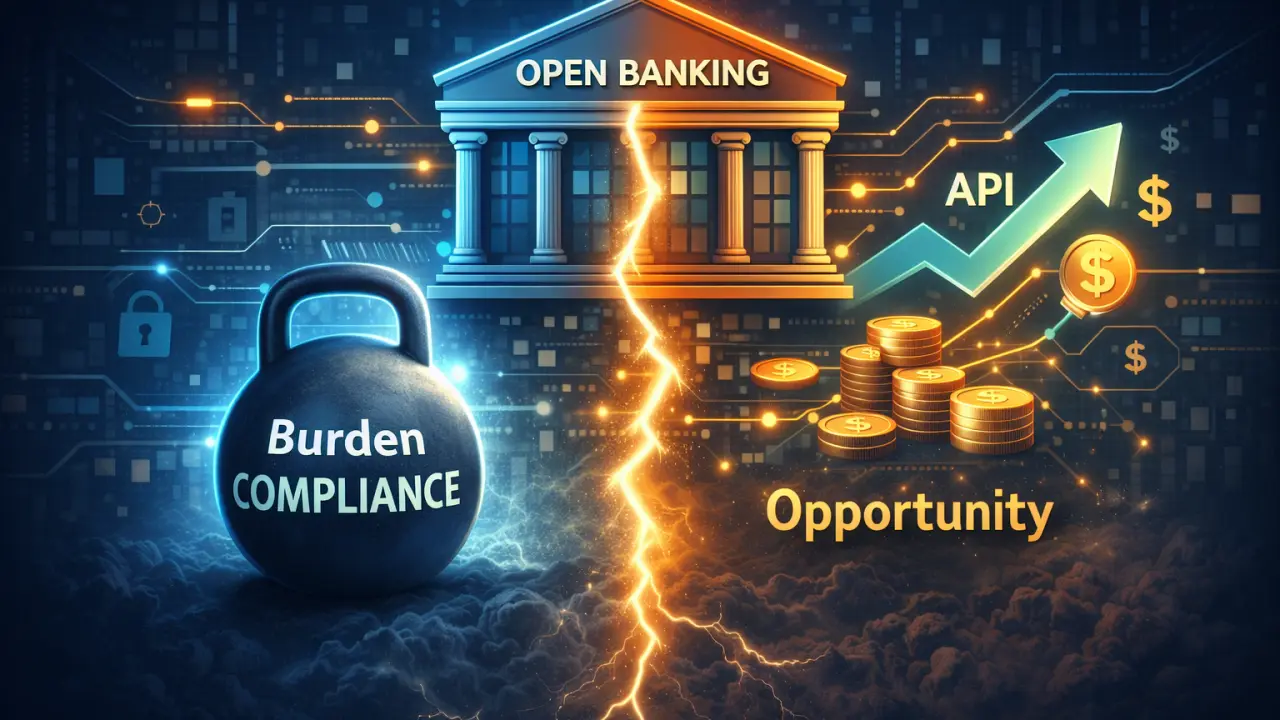
Most institutions today ask: "How do we comply with Open Banking requirements?"
The more important question to ask is: "How do we turn this shift into a competitive advantage?"
The difference between the two questions isn't just wording, it's a completely different strategic perspective.
Who Sees Beyond Compliance?
In our conversations with leadership at financial institutions across the region, we notice a clear split into two types of institutions.
- The first institution sees Open Banking as a cost: a regulatory requirement to meet, a deadline to hit, resources to spend. This institution is looking for the minimum level of compliance.
- The second institution sees Open Banking as an investment: infrastructure being built today to generate revenue, partnerships, and market position tomorrow. This institution is thinking about what comes after the deadline.
The gap between the two will show up clearly once the ecosystem matures. And once it does, it won't be easy to make up.
What Do Mature Markets Tell Us?
The UK, one of the most mature Open Banking environments in the world, gives us a clear signal.
In 2025, the UK ecosystem recorded more than 24 billion API calls, up 27% from the year before. Active users reached 16.5 million. More than 145 licensed financial service providers (TPPs) now operate inside this environment.
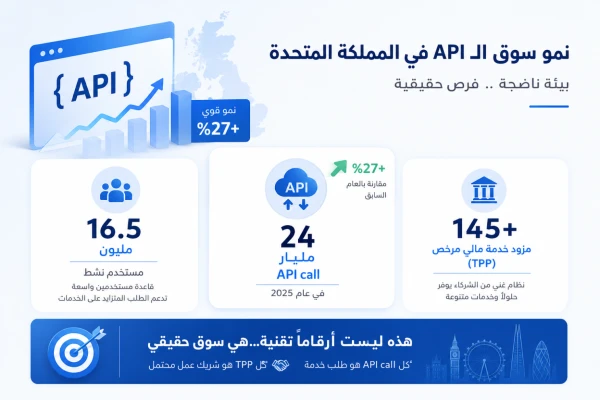
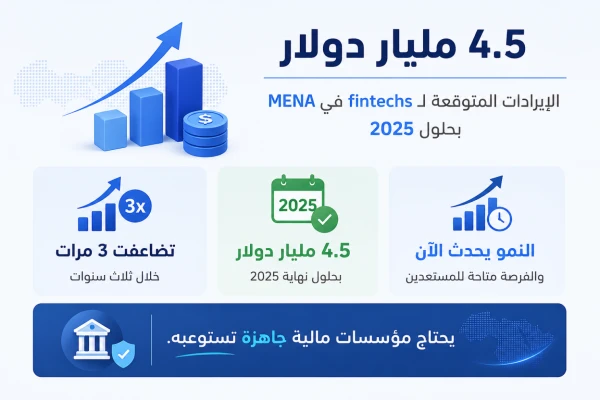
So, who was ready to serve this market? The financial institutions that built the foundation early. Closer to home, fintech revenue in MENA has tripled over three years, and is expected to reach $4.5 billion by the end of 2025. This growth is happening now, and it needs financial institutions that are ready to absorb it.
The Scenario: When the Ecosystem in Our Region Matures
Picture the following scene, one that is coming, without a doubt.
Open Banking in our region has reached maturity. The financial institutions that actually committed to implementation are now operating. Fintechs have entered the market. The first use cases have proven themselves. At this point, something important happens: fintechs' needs don't stop at what today's regulatory scope defines. The environment keeps evolving, and every new fintech needs more, and deeper, data.
- The fintech building SME financing needs account data, cash-flow data, and a full consent framework.
- The fintech building embedded insurance needs data points on payment behavior and financial history.
- The fintech building wealth management needs to aggregate data from multiple sources at once.
All of these needs pass mainly through financial institutions. They are the real data generators. They own the accounts, the transactions, and the financial history.
Here's Where the Real Equation Shows Up
The fintechs that will grow and need more services won't knock on just any financial institution's door. They'll knock on the door of the institution that has:
- An API Platform (monetization, marketplace, innovation environment, API doc portal, and more) that is ready, stable, and professionally documented.
- Open Banking components built correctly and fully integrated.
- A defined, flexible partnership model, documented to a professional standard.
- An operating model ready for real partnership.
Large fintechs, or the ones on their way to becoming large, aren't looking for a financial institution that meets the bare minimum. They're looking for a financial institution with a strong, ready foundation.
What Does the Financial Institution That Built the Foundation Actually Gain?
First: Shared Revenue from the Ecosystem
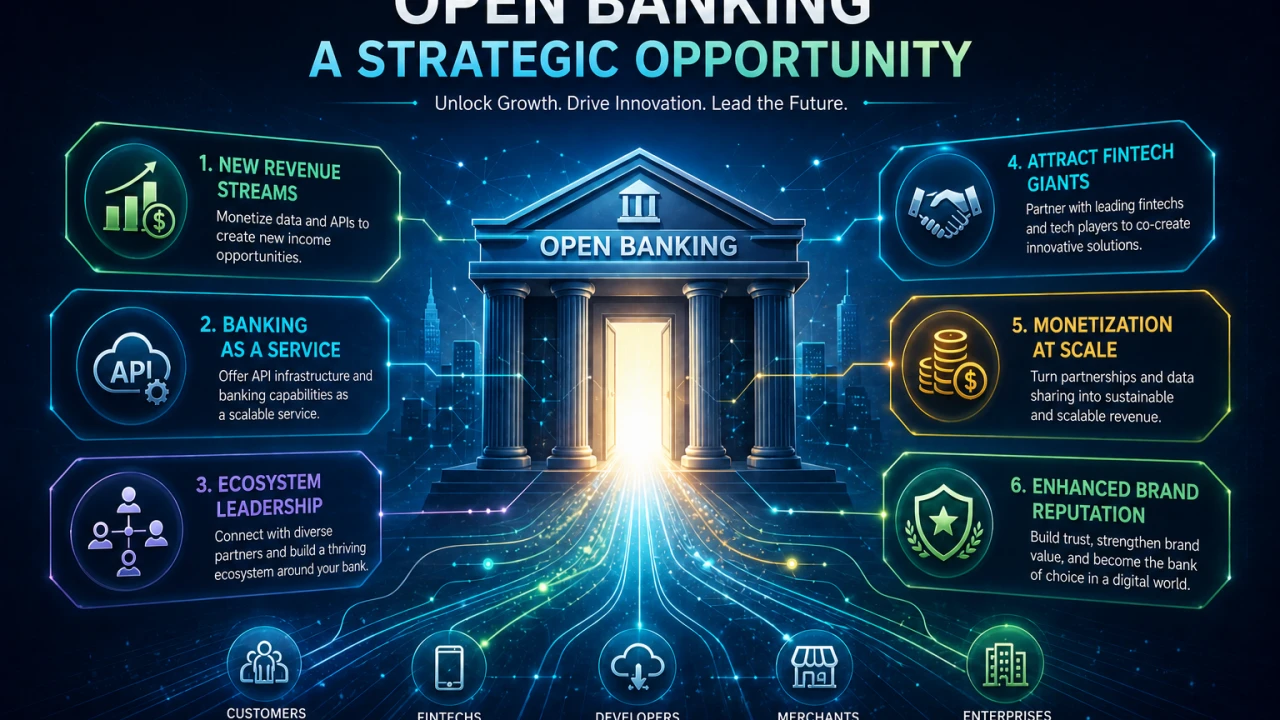
As the ecosystem expands and fintechs start offering services to end users, a ready financial institution shares directly in that revenue. Revenue-sharing models are now a reality in markets that have matured: every transaction that passes through your platform is shared revenue.
Second: Banking-as-a-Service, Stronger and Faster
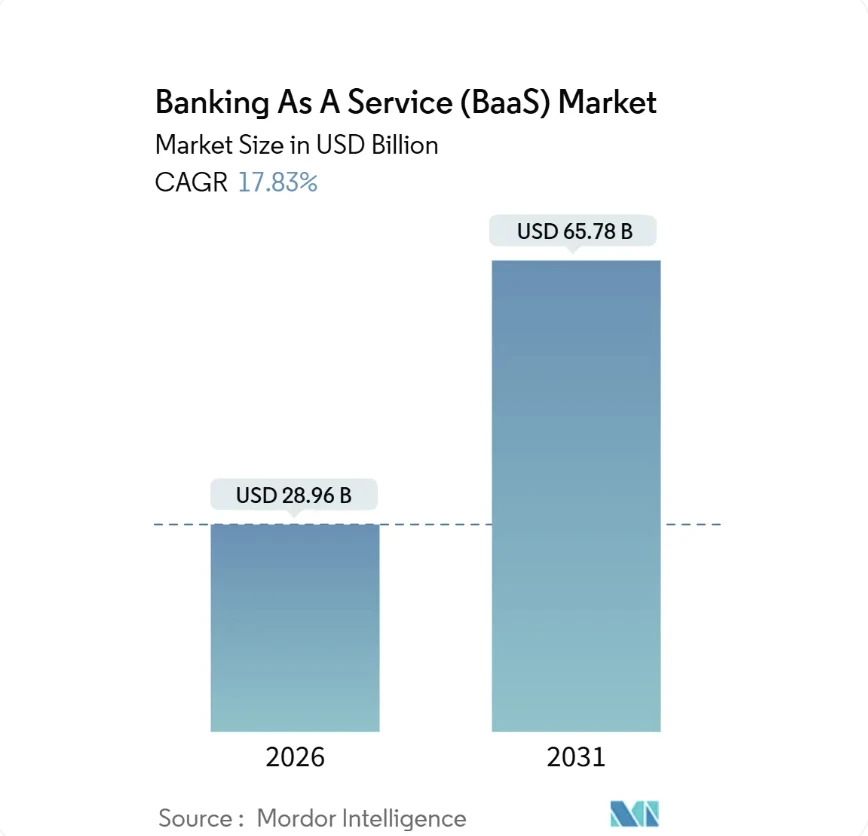
A ready financial institution doesn't just offer limited APIs, it offers a complete business model. Any new fintech that needs financial infrastructure can lean on this institution instead of building everything from scratch. This turns the financial institution from one that delivers financial services directly into a platform that enables others to deliver financial services. That's a big difference, strategically and in profitability.
Third: A Different Kind of Partnership
Partnerships in a mature Open Banking environment aren't just "we'll give you the data." They are real business agreements with an entire ecosystem of fintechs, marketplaces, and digital economy platforms. A ready financial institution enters these partnerships from a position of strength, because it owns the infrastructure the partner needs. That produces deeper, longer, higher-value partnerships.
Fourth: Attracting Giant Fintechs
This point deserves a pause.
Large fintechs, or the ones on track to become large, choose their partners very carefully. They aren't looking for a financial institution that meets the bare minimum of requirements. They're looking for solid API infrastructure, proven integration patterns, and a stable, scalable platform. The financial institution with this foundation becomes the first destination for these companies. And when that large partner arrives, it brings revenue, market presence, and a stronger position in the ecosystem with it.
Fifth: Standing and Reputation in the Market
A partnership with a giant fintech isn't just revenue, it's a credential the whole market can see. When a large fintech chooses one financial institution as a partner over the alternatives, it says something clear: this institution is technically ready, advanced, and the first destination for anyone who wants to build.
This kind of positioning isn't bought through marketing campaigns, it's earned through solid readiness.
Conclusion: The Foundation You Build Today Is Tomorrow's Strategic Position
In markets that have matured, one pattern keeps showing up: the financial institutions that invested early in building their Open Banking foundation, not just compliance, are the ones leading today in revenue, partnerships, and presence in the ecosystem.
Infrastructure is the strategic position.
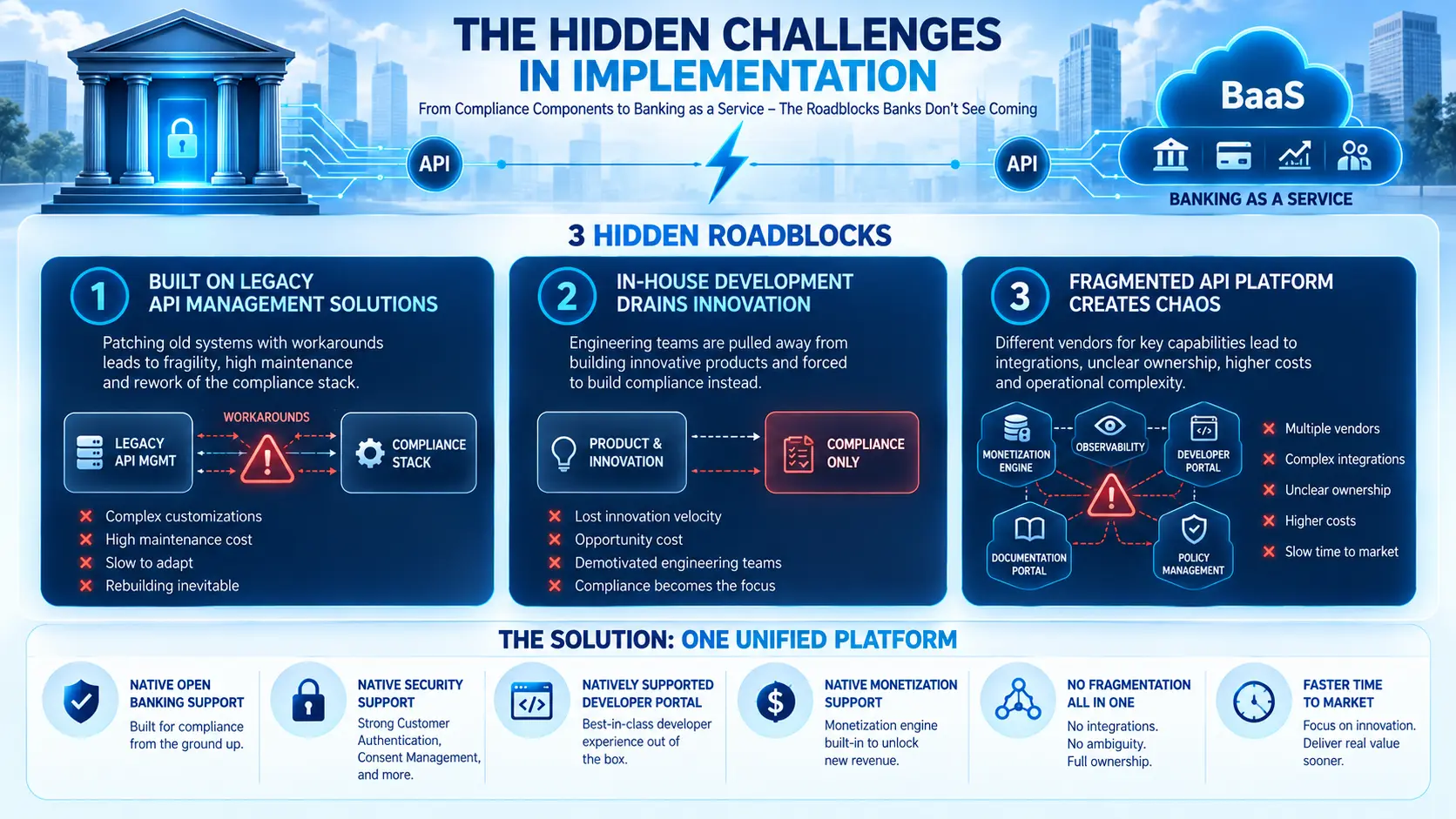
Modern infrastructure (Kubernetes), modern middleware, operations automation, an API platform, Open Banking compliance, resilient partnerships, a clear commercial model, ecosystem enablement, and more, these aren't technical features. They are the infrastructure for any future revenue from the fintech ecosystem.
And the ready financial institution doesn't just win as an infrastructure provider, it becomes the hub that every new service in the ecosystem revolves around. Smart financing services built on real data, embedded insurance, investment decisions backed by a complete financial picture: all of this value passes through the financial institutions that built the foundation. And every bit of value that passes through turns into revenue.
The fintechs that will lead the market tomorrow are looking, right now, for financial institutions with a foundation that's ready.
References
- Open Banking UK, Open Banking in 2025: Now Part of the UK's Everyday Financial Life
- Mordor Intelligence, Banking as a Service Market Size, Growth Drivers, Share Analysis 2025-2031
- McKinsey & Company, MENA Fintech's Ascent: Growth, Investment, and the Path Forward
- Fortune Business Insights, Open Banking Market Size, Share & Trends, 2034
- The Business Research Company, Banking-as-a-Service (BaaS) Market Report 2026